
NDBIN Newsletter – Spring 2026
Advancing Brain Injury Care Across North Dakota
Growing Awareness. Strengthening Recovery. Building Community.
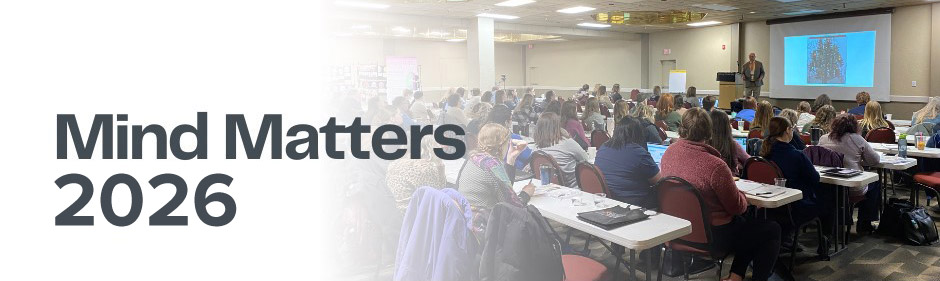
Each spring, the North Dakota Brain Injury Network (NDBIN) brings together professionals, survivors, caregivers, and advocates from across the state for our annual Mind Matters Conference. This year's event will focus on improving identification, support, and long-term outcomes for individuals living with brain injury in North Dakota.
Mind Matters 2026 will take place March 26 & 27 in Fargo, North Dakota, at the Hilton Garden Inn. There's still time to register. We hope you will join us! Visit the Mind Matters webpage for registration details and additional information.
Thursday, March 26
Day one centers on lived experience, neuroplasticity, and whole-person recovery – blending powerful
survivor
stories with practical strategies in rehab therapy, nutrition, pain reframing, and acceptance to support
life beyond brain injury.
Friday, March 27
Day two explores resilience, ethics, and systems collaboration, from humor as a healing tool and
consent-based care frameworks, to acute care management, trauma-informed partnerships, and practical pillars
for rebuilding a healthy, intentional brain.
March Is Brain Injury Awareness Month
March is Brain Injury Awareness Month, a time to recognize the millions of individuals and families affected by brain injury and to strengthen our commitment to education, prevention, and support.
Brain injury is often called the "invisible injury." While some effects are immediately noticeable, many challenges – including cognitive changes, fatigue, emotional regulation difficulties, and sensory sensitivities – are not visible to others. Awareness helps reduce stigma, promote understanding, and ensure individuals receive the support they need to thrive.
In North Dakota, rural communities face unique barriers to identification and long-term care. Increasing awareness is a critical first step toward improving access, strengthening school and healthcare responses, and building brain-injury-informed systems across our state.
How You Can Participate:
- Wear blue during March to show your support
- Share educational resources with your workplace, school, or community
- Attend the Mind Matters Conference
- Start conversations about concussion and brain injury recognition
- Promote brain-injury-informed practices in your organization
When we increase awareness, we increase opportunity for early identification, appropriate supports, and meaningful recovery. Together, we can build communities that understand brain injury, respond effectively, and support resilience beyond the injury.
From Anger to Awareness: A Survivor's Reflection

After my brain injury, anger became one of my biggest challenges. At first, I thought it meant I was failing – emotionally, spiritually, even morally. What I've come to understand is that much of my anger was rooted in grief. I was grieving the life I had envisioned, struggling to accept that "different" didn't automatically mean "worse," just unfamiliar.
For a long time, I stayed stuck in that anger because I hadn't reached acceptance. Once I began to practice radical acceptance – acknowledging that my brain had changed and that healing would require intentional work – things shifted.
Today, I still prioritize regulation. I choose sobriety. I exercise consistently. I fuel my body with healthier foods. I build quiet time into my mornings for prayer and Bible reading. I stay connected to community and service work because isolation fuels dysregulation.
Anger after brain injury is not a moral failure. It's often a signal – of grief, overload, or fear. With awareness, accountability, and support, it can become something we learn to steward rather than something that controls us.
Healing is possible. Not overnight. But through daily, intentional choices.
If you are dealing with anger after brain injury, reach out to NDBIN for support.
Beth's Get Arounds
By: Beth Beckers
 Practical Tips and Real-Life Strategies for Living Well After Brain Injury
Living with brain injury often means finding creative work-arounds for energy, focus, memory, and sensory overload. These tried-and-true strategies are simple, realistic, and designed for everyday life.
Energy and Focus
- The 10-Minute Brain Break: Traumatic brain injury (TBI) fatigue is a "real-bad-tired" that sleep alone cannot fix. Take 5-10 minute breaks, multiple times a day to simply be. Do not wait for the crash; honor the rest.
- The Brown Noise "Focus Shield": Use sleep earbuds with brown noise (a deep, low frequency like heavy rain). It fills the "open space" in the brain, masking distractions and silencing the "brain chatter" that interrupts deep work.
- The 5-4-3-2-1... GO! Technique: When you feel "stuck" or struggle with initiation, count down out loud. By the time you hit "Go," your body is in motion. It shifts the brain from "thinking" to "doing."
Organization and Memory
- The External Brain: Never rely on a TBI memory for details. Use a "Triple-Threat" system: Sticky notes for immediate reminders, a paper planner for the daily flow, and a digital calendar such as the Digital Skylight Calendar for family synchronization. There are many digital calendars on the market to choose from.
- The "One Touch" Rule: To eliminate clutter and "lost" items: If you touch it, put it away. Dirty dishes go directly into the dishwasher, not on the counter. Mail is filed or shredded immediately.
- Settle and Breathe: When a memory or word slips away, anxiety "locks" the brain. Stop, take three deep breaths, and tell yourself, "It will come back." When you stop fighting your brain, the memory usually finds its way home.
Sensory and Environment
- Mastering the Light: Overhead lights can be a "brain drain." Replace them with table lamps and install dimmer switches (especially in your office). Soft lighting preserves your cognitive energy.
- The Outdoor Armor: Brightness is a physical strain on a healing brain. Keep sunglasses as a permanent part of your "out-the-door" kit to prevent glare-induced fatigue.
- The Night-Time Anchor: If you wake up at night and your mind starts to wander into "the open space," use your earbuds and brown noise to anchor your thoughts and guide yourself back to sleep.
Movement and Mindset
- The "No-Excuse" Intentional Mile: Movement is medicine. Commit to one intentional mile of walking every single day. Have a Plan A (outside with a dog) and a Plan B (treadmill). Remove the choice to say "no."
- Incremental Strength (Pilates): Build on your successes. Once a habit like walking is locked in, add a new layer of strength. Use apps to make home exercise accessible and consistent.
- The "No Thought Bubble" Rule: Never say anything to yourself that you wouldn't say to someone else. Replace mean self-talk with grace. You cannot heal a brain that you are constantly fighting.
Recovery is built on small, intentional habits practiced consistently.
Brain-Healthy Swap: From Drive-Thru to Salmon Salad
A Real-Life Strategy from Two Brain Injury Survivors
Recovery doesn't only happen in therapy rooms or medical appointments. Often, it happens in small, everyday decisions.
Two brain injury survivors recently noticed a pattern that wasn't supporting their healing. After work, they had developed a routine of stopping at a drive-thru before heading home. Even though they were exercising daily and building healthier habits, fast food had quietly become their end-of-day reward.
Instead of trying to eliminate the habit altogether, they tried something different. They replaced it.
Rather than pulling into a drive-thru, they went home and made a quick salmon salad together – a meal packed with healthy fats, protein, and greens that support both brain and heart health. The ritual stayed the same: decompress after work, prepare something satisfying, enjoy it together. The difference was what fueled their bodies and brains.
The goal wasn't perfection. The goal was one better choice.
For many brain injury survivors, routines are powerful. Small swaps like this can significantly impact energy levels, mood regulation, inflammation, and overall health.
Why Salmon?
Salmon is rich in omega-3 fatty acids, which are associated with:
- Supporting brain health
- Reducing inflammation
- Promoting heart health
- Supporting mood regulation
For individuals living with brain injury, nutrition that reduces inflammation and supports cognitive function can be an important piece of the recovery puzzle.
Quick Brain-Healthy Salmon Salad
Ingredients
- 1 bag Maple Bourbon Bacon Chopped Salad Kit
- 1–2 Atlantic salmon fillets (pre-frozen works great)
- 1 shallot, chopped
- 1–2 teaspoons pre-minced garlic
- Extra virgin olive oil
Simple Instructions
- Preheat a skillet to medium heat and lightly coat with olive oil.
- Sauté chopped shallot and garlic until fragrant.
- Add fully thawed salmon fillets and cook until the fish flakes easily.
- Let the salmon cool slightly.
- Prepare the salad kit according to package directions.
- Flake the salmon and mix it into the salad.
- Serve and enjoy.
Recovery Tip
Sometimes the most effective strategy isn't eliminating a habit – it's replacing it with something healthier that still feels rewarding.
Recovery is built in moments. One intentional swap at a time.
Upcoming Events
Be sure to check out our upcoming events including training opportunities and webinars!