
NDBIN Newsletter – Fall 2026
A Message from NDBIN
As we move into fall, there is a lot to celebrate across the North Dakota Brain Injury Network (NDBIN). This has been a season of growth, new opportunities, and meaningful collaboration – and we are excited to share a few highlights with you.
We are especially proud to share that Rebecca Quinn, NDBIN director, was selected to participate in the 2026–2027 Moody Center for Brain Injury Best Practices cohort, led by the National Association of State Head Injury Administrators (NASHIA). The Moody Center brings together leaders and experts from across the country to develop and advance best practices in brain injury care and support. This year's cohort is focused on the transition from post-acute care to community living after brain injury, including family education, caregiver supports, community-based services, and sustainable funding models. Rebecca's participation gives North Dakota a seat at the table in these important national conversations and provides an opportunity to bring new ideas and best practices back home to our state.
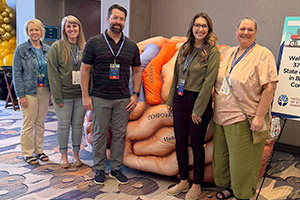
Injury Conference. From Left: Tami Conrad
(HHS), Kaitlyn Dewald (NDSP), Nathan
Mickelson (Ministry on the Margins), Andrea
Watkins (NDBIN), Rebecca Quinn (NDBIN).
NDBIN was also well represented at NASHIA's 2026 State of the States in Brain Injury Conference, where Rebecca and Andrea Watkins, senior project coordinator, both had the opportunity to present and share North Dakota's work with colleagues from across the country. With support from grant funding, NDBIN was also able to bring two important partners from our work at the North Dakota State Penitentiary (NDSP): Kaitlyn Dewald, case manager with NDSP, and Nathan Mickelson, prison reentry manager with Ministry on the Margins. Bringing these partners into the conversation allowed us to highlight the collaborative work happening in North Dakota and learn from others working to address brain injury within justice-involved populations.
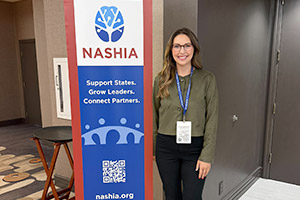
States in Brain Injury Conference in Little
Rock, Arkansas.
There have also been some exciting changes within the NDBIN team. Andrea Watkins has stepped into the role of senior project coordinator. We are grateful for Carly's contributions to NDBIN and wish her the very best in her next chapter. We are also excited to see Andrea continue to grow in her role and take on new projects and opportunities across the Network.
Across the state, our team continues to find new ways to connect with communities and expand awareness of brain injury. Shannan Stanke, resource facilitator, continues to be deeply involved in the Fargo area, supporting programming, outreach, and community connections, while Beth Beckers, resource facilitator, continues to build relationships and expand NDBIN's presence in Bismarck and beyond. Mychal Cook, peer support specialist with NDBIN, continues to bring her passion for brain injury to the Dickinson area. All have a knack for finding opportunities to get their toes into just about every aspect of NDBIN – and we are grateful for the energy and perspective they bring to the team.
Behind the scenes, Nickie Livedalen has been working hard to revamp NDBIN's resource facilitation program, with a focus on strengthening the way we connect individuals with the resources, services, and supports they need to move forward after brain injury.
As we look toward the remainder of 2026, we are reminded that NDBIN's work is made possible through collaboration. From national partnerships to local community connections, we continue to look for ways to make brain injury services more accessible, meaningful, and responsive to the people and families we serve.
Thank you to our partners, providers, advocates, individuals with brain injury, families, and communities for being part of this work. We are looking forward to what the rest of the year brings.
A Successful Day of Learning: 2026 Concussion Symposium
 What a day!
NDBIN's 2026 Concussion Symposium brought together 250+ registrants from across North Dakota and beyond for a full day of learning, connection, and conversation surrounding concussion and brain injury. Throughout the day, an average of 100 participants joined us live for the sessions.
One of the things that made this year's symposium so special was the diversity of voices in the room. Attendees included therapists, nurse practitioners, peer support specialists, and other professionals, along with individuals living with brain injury and their family members. Bringing together people with both professional expertise and lived experience is an important part of the work we do at NDBIN.
The symposium provided an opportunity to learn from a variety of perspectives while exploring practical strategies for concussion prevention, identification, recovery, and support. We are grateful to all of our presenters, attendees, and partners who helped make the day possible.
Help Us Plan Next Year's Symposium!
We are already thinking about the 2027 Concussion Symposium, and we'd love to hear from you!
What concussion or brain injury topics would you like to learn more about? Are there specific challenges you're encountering in your work, family, school, or recovery that you'd like to see addressed?
Send your ideas and topic/speaker suggestions to Andrea Watkins at andrea.watkins@und.edu. Your feedback will help us shape future educational opportunities and make sure we're addressing the topics that matter most to our brain injury community.
Save the Date: Mind Matters 2027

If you enjoyed the Concussion Symposium, don't worry – we have more learning opportunities on the horizon!
NDBIN's annual Mind Matters Conference will return March 18–19, 2027, in Mandan, North Dakota. The two-day conference brings together individuals with brain injury, family members, caregivers, and professionals to explore new research, current trends, practical strategies, and collaborative approaches to brain injury care.
We're already beginning to plan an exciting lineup for 2027, and our Call for Presenters will open in the coming months.
Have a topic you'd love to see at Mind Matters – or an idea for a presentation you'd like to share? Keep an eye on NDBIN's website and social media for the Call for Presenters announcement.
We hope to see you at Mind Matters 2027!
Connecting Through Recovery – Mending Minds Brain Talk Group
By: Beth Beckers, MEd, NDBIN Resource Facilitator
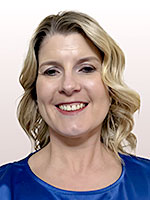 Brain injury can be difficult to navigate alone. At Mending
Minds, we believe in the power of supporting each other by using shared stories and lived
experiences to help us process difficult times, meet ourselves exactly where we are, and take intentional
steps toward positive growth.
Brain injury can be difficult to navigate alone. At Mending
Minds, we believe in the power of supporting each other by using shared stories and lived
experiences to help us process difficult times, meet ourselves exactly where we are, and take intentional
steps toward positive growth.
Every season of life after brain injury brings its own set of hurdles, from navigating unexpected changes to processing daily stress. More often, we feel pressured to put on a brave face or "suck it up" by moving past our struggles. Mending Minds was designed on a foundation of supporting each other in the journey of healing by giving ourselves permission to honor our current emotional journey without judgment.
In our recent meetings, we have tackled deeply related topics. Through open discussions and reflections, we have explored:
- Navigating Grief: Trying to identify the new and letting go of the past. This is natural for both the survivor and those around them. It is a time when feeling alone is scary and real.
- Overcoming Procrastination and Initiation: Exploring the reason behind delayed action and understanding why starting can be so intimidating. Then finding a way to break through the stuck point and find the strength to move forward.
- Practical Growth Tools: Sharing and learning strategies to help support symptom management, such as taking brain breaks to conserve energy reserves, using the Pomodoro Timer to break tasks into manageable intervals, and mastering pacing to prevent burnout.
We have all found that healing from brain injury does not happen overnight, but there is power in having a community of survivors, caregivers, and other caring individuals. Through guided discussions, Mending Minds creates a safe, welcoming space where participants can speak freely, listen deeply, and realize they are not alone. By using our lived experiences, we break down isolation and build a bond of understood support. When we have an opportunity to listen to others' lived experiences, a new perspective is gained on our path. Our past and present challenges do not define us, but they serve as a starting point and a place to go next.
Healing from brain injury or working with those who are in the process is a journey, and no one needs to do it alone. If you are ready to find a space to join the conversation or simply want to listen and reflect, everyone is welcome to attend Mending Minds.
Mending Minds is held in-person and virtually every Tuesday from 12:00–1:00 pm Central, at the Bismarck Veterans Memorial Library in Study Room 2 or virtually through Zoom.
For more information, please contact Beth at (701) 777-4649 or beth.beckers@und.edu.
Understanding Brain Injury: Brain Injury and Suicidality
By: Shannan Stanke, CBIS, NDBIN Resource Facilitator
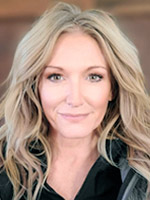 Screening for brain injury gives NDBIN staff regular opportunities to meet individuals experiencing complex
mental health symptoms. The daily presentation of mental health conditions like depression, anxiety, and
suicidality overlapping with prior brain injuries provides enough evidence to explore a client's history of
brain injury as a key contributor to the challenges a person is experiencing.
Screening for brain injury gives NDBIN staff regular opportunities to meet individuals experiencing complex
mental health symptoms. The daily presentation of mental health conditions like depression, anxiety, and
suicidality overlapping with prior brain injuries provides enough evidence to explore a client's history of
brain injury as a key contributor to the challenges a person is experiencing.
Decades of extensive research have proven that brain injuries and brain inflammation are such a significant piece of the suicide puzzle that it should be a regular part of all suicidality conversations in the effort to prevent suicides.
A Centers for Disease Control and Prevention (CDC) analysis of traumatic brain injury (TBI)-related deaths from 2016–2018 found that suicide was the leading or tied for the leading category of TBI-related deaths in 43 states. The CDC concluded that expanding evidence-based prevention strategies addressing TBI-related deaths is warranted, particularly in states experiencing high rates related to suicide and other causes.
But mortality statistics tell only part of the story.
Some Symptoms Surface Long After the Injury
A brain injury is typically acknowledged when an injury is fresh and physical symptoms, such as headache, dizziness, and light sensitivity, are experienced. If the physical symptoms are "tolerable," they are often ignored or dismissed by the sufferer or even missed by a doctor. But in the weeks and months following even mild injuries, there is a set of invisible symptoms that can surface and insidiously infect the emotions and thoughts of many sufferers who don't realize their brain is still in a stage of repair and recovery.
It is not uncommon for a brain injury survivor at this stage of healing to suffer silently when they need education, support, and therapies more than ever. Beneath the surface, chronic inflammation is affecting the brain so severely that it is considered a secondary injury, setting the scene for persistent post-concussion syndrome.
Traumatic and acquired brain injuries initiate biological processes that continue after the initial injury, including inflammatory responses involved in the brain's attempt to protect and repair itself. Researchers continue to study how persistent neuroinflammation and other post-injury changes may contribute to long-term neurological, cognitive, and psychiatric symptoms.
Research published in the Journal of Head Trauma Rehabilitation found a high frequency of psychiatric disorders among individuals assessed from six months to 5.5 years after TBI, encompassing new cases of depression and anxiety and escalations of pre-existing mental health conditions. The authors recommended screening for psychiatric disorders at multiple points following TBI, rather than relying on a person's previous psychiatric history to determine who may be at risk.
Brain Injury Belongs in the Suicide Prevention Conversation
In today's "no stigma" culture, the mention of dark thoughts and feelings or suicidal ideation is now commonly met with concern and an invitation to a no-judgment conversation about mental health, then swiftly directed to a local hotline or medical facility. A nationwide effort has successfully destigmatized mental illness, fostered compassion, and trained an entire generation to facilitate a gentle conversation intended to save a life from suicide loss.
But despite this massive effort, suicide rates continue to rise. Early CDC data for 2025 shows another uptick in suicide deaths following a marginal two-year decline, with an overall trend of continued increase.
Rather than dismiss the brain injury element in this life-saving conversation, decades of research and evidence implicating brain injuries and inflammation in suicidality and suicide deaths are begging to be featured in suicide prevention conversations, because this same information is saving lives in the brain injury arena.
Unfortunately, a simple "Do you have any brain injuries?" will be met with denial. But the well-crafted Ohio State University Traumatic Brain Injury Identification Method (OSU TBI-ID), developed by Dr. John Corrigan and team and implemented by NDBIN, effectively exposes offending injuries responsible for the symptoms that warrant referrals to appropriate providers.
Bridging the Gap
NDBIN sees the exigency of brain injury history being surveyed in conversations intended to prevent suicides. Our agency has collaborated with suicide prevention professionals, including Melissa Markegard, suicide prevention administrator, with the North Dakota Department of Health and Human Services Behavioral Health Division, in developing an educational infographic addressing suicidality after brain injury.
Shannan Stanke, NDBIN resource facilitator for the Fargo area, represents NDBIN in state and local suicide prevention efforts through participation in the North Dakota Suicide Prevention Coalition and the Cass and Clay Counties Suicide Prevention Coalition.
Learn About YOUR Brain Injury History
Contact NDBIN to learn about YOUR brain history through a free, one-hour screening administered by one of our staff.
If you or someone you know is struggling or in crisis, help is available. You are not alone. Call or text 988 to reach the Suicide and Crisis Lifeline. It is free, confidential, and available 24/7. Please share to help save a life.
Inside the Walls: Bringing Brain Injury Awareness to NDSP
Over the past several months, the North Dakota Brain Injury Network (NDBIN) has been working alongside the North Dakota Department of Corrections and Rehabilitation (DOCR) to expand brain injury awareness, identification, education, and support within the North Dakota State Penitentiary (NDSP).
This work, supported through NDBIN's Department of Justice grant, is focused on an important question: What could change if we recognized brain injury as part of the picture when supporting justice-involved individuals?
Building Awareness from the Start
Beginning in May 2026, NDBIN began providing Brain Injury 101 education as part of the NDSP orientation process. Since then, 15 orientation sessions have reached over 400 residents, providing information about what brain injury is, how it can happen, common symptoms, and how brain injury can affect behavior, emotions, thinking, and everyday life.
Education is already making an impact. Among 84 residents who completed both pre- and post-training surveys, their average rating of how much they understood the effects of brain injury on behavior, emotions, and thinking increased from 3.01 to 4.14 on a 5-point scale.
Perhaps even more meaningful were the personal connections residents made with the information. Seventy-eight percent of respondents said that something they learned felt relevant to their own life or experiences, either "a lot" or "a little."
Residents shared reflections such as:
- "You can't always see/notice that someone has a BI."
- "Some of my behaviors could be a result from my accident."
- "That there is help for me and stuff."
- "The more information and awareness, the better off we are."
These responses reinforce why education matters. For some individuals, a brain injury may help explain challenges they have experienced for years without understanding the connection.
Identifying Brain Injury
Education is only the first step. NDBIN also implemented a standardized brain injury screening process within NDSP's medical intake.
Between April 24 and July 17, 2026, 188 residents were screened, with 106 (56%) screening positive for a possible/probable history of brain injury.
Those who screen positive can then complete a more detailed symptom inventory to identify how brain injury symptoms may be affecting their everyday functioning. Of the symptom inventories completed during this period, 65% indicated a level of symptoms warranting further consideration and support.
These early numbers highlight the importance of asking about brain injury. Without screening, many of these individuals may never have had an opportunity to recognize that their experiences could be connected to a brain injury.
Supporting Staff
NDBIN is also working to increase brain injury knowledge among the professionals who interact with residents every day.
The first DOCR staff training, "Brain Injury Education for DOCR Staff," has already reached more than 100 participants through training provided both in person and online. Staff knowledge increased across several key areas. For example, the percentage of participants who agreed that they could recognize common signs and symptoms of brain injury increased from 39% before training to 86% following training.
Additional trainings have focused on brain injury screening and symptom inventory and on practical strategies for supporting individuals with brain injury in the correctional setting. These trainings are being made available through the DOCR education portal so staff can continue accessing the information.
Moving Beyond Identification
Identifying a brain injury is only meaningful if it leads to support.
Residents who meet criteria for additional intervention have the opportunity to participate in Living Life Fully, a 10-week program designed to help individuals better understand their brain injury and develop practical strategies for managing its effects.
The program addresses practical areas such as attention, memory, fatigue, emotional regulation, impulsivity, communication, self-awareness, coping strategies, and self-advocacy. The goal is not simply to teach residents about brain injury, but to help them identify strategies they can use in their everyday lives.
Building for Sustainability
While this work is currently supported through NDBIN's Department of Justice grant, we are already looking beyond the grant period. With approximately another year of grant funding remaining, NDBIN and our partners have begun conversations about how we can sustain the program and continue meeting the needs of individuals at NDSP.
Sustainability will require creativity, collaboration, and community involvement. One opportunity we are exploring is developing a network of community volunteers who can help support education and programming at NDSP. Building a volunteer model could allow community members to share their time, knowledge, and experiences while helping create a sustainable structure for continued brain injury programming.
Our goal is to use the remainder of the grant period not only to provide services, but also to build the relationships, processes, training, and community partnerships needed to make this work sustainable for years to come.
Looking Ahead
This project continues to evolve as NDBIN and DOCR learn what works, identify gaps, and adapt the process along the way. The long-term vision is to create a more consistent pathway from identification → education → support → reentry, so that brain injury does not go unrecognized when it may be contributing to an individual's challenges.
NDBIN is grateful for the collaboration of DOCR staff, NDSP leadership and treatment teams, community partners, and the residents who have participated in this work.
This is more than a grant project. It is an opportunity to change the way we understand brain injury within the correctional system – and ultimately, to help individuals leave NDSP with a better understanding of their brains, their challenges, and the resources available to them as they return to their communities.
Fall Focus: Back to Routine, Back to Better Habits
Fall brings a lot of transitions. School starts, schedules change, activities pick up, daylight hours get shorter, and routines that may have felt easy during the summer suddenly require more planning.
For someone living with a brain injury, these changes can take more effort than we realize.
Routines aren't just about staying organized – they can reduce the amount of work the brain has to do.
When everyday tasks become predictable, we don't have to make as many decisions about what comes next. That can leave more mental energy available for the things that really matter.
This fall, try building your routine around a few simple habits:
- Keep your mornings predictable. Try keeping important morning tasks in the same order each day. A written checklist can help take some of the remembering out of the routine.
- Plan for transitions. Moving from one activity to another can be surprisingly difficult after a brain injury. Build in a few extra minutes rather than expecting yourself to switch gears immediately.
- Don't underestimate fatigue. A busy schedule can catch up with you. If you're noticing more headaches, irritability, difficulty concentrating, or feeling overwhelmed, it may be time to build in a break.
- Make important things visible. Calendars, alarms, sticky notes, medication organizers, and phone reminders aren't "cheating" – they're strategies that help support memory and organization.
- Protect your sleep. As schedules change, try to keep a consistent bedtime and wake-up time. A well-rested brain is better prepared to manage attention, memory, emotions, and everyday demands.
- Give yourself time to adjust. A new routine doesn't become automatic overnight. Start small, practice consistently, and adjust when something isn't working.
A little routine can make a big difference.
One of the most important things we can remember about brain injury is that strategies aren't about changing who you are – they're about changing the environment around you to help your brain work more effectively.
This fall, instead of asking, "Why can't I keep up with everything?" try asking:
"What could I change about my routine that would make this easier on my brain?"
Sometimes the smallest changes can make the biggest difference.